Several Short Questions About Openprest®
An array of questions revealing our core. ⓪①②③④⑤⑥⑦
Who are you?
Openprest® is a relatively new software design practice founded by Leonardo Federico and based in Switzerland. We use design to apply new ideas, technologies, and methodologies to work for partners and ourselfs. The result can be visual user interfaces, brand identities, websites, books, content, installations, experiences, orphysical objects.
What's your focus?
In recent years, we've been paying a lot of attention to the crypto ecosystem. It's more than digital coins; it hints at a new way we might handle money and creativity. Yet, the current tech scene often feels overwhelming and complex. We take on the challenge to bring clarity and simplicity, designing interfaces and narratives that genuinely reflect crypto's core potential.
This ethos of clarity and resonance stretches beyond crypto and it is vital for other emerging sectors that equally beckon for design that speaks and stories that inspire.
This ethos of clarity and resonance stretches beyond crypto and it is vital for other emerging sectors that equally beckon for design that speaks and stories that inspire.
What are your capabilities?
We are software designers. We know how to design software that functions well and looks good. Besides user interface design, we are comfortable with other adjacent design disciplines—typography, branding, 3D modeling, prototyping, etc. These supplementary fields enhance our versatility, enabling a richer depth and texture to our work.
We are technologists. We understand the machinery that is processing our work. We design with the constraints of production. You can't produce a product by "designing" it;
it is the process of "making" a product that generates the design. We are poised to challenge boundaries and engage with you on the foundational aspects of your ideas.
We are culture-aware. We view all software projects through an artistic and contextual lens. We trust in our taste and our ability to infuse this sensibility into your vision.

What do you do better than anyone else?
Challenging the norm, weaving between domains of technology and design; not as generalists, but as skilled navigators of the liminal space. In a world of disconnected silos stretching vertically into the sky, we stretch horizontally across them. Comfortable not at centers but at the edges, we make the in-between tangible, creating where overlap exists.
Define "Good Form"
To speak of "good form", we must define first what is form. Form is the ultimate result of any design. Every object with a physical or virtual presence has a form, from the smallest utilitarian object in our house to the app in our phone. Two things are necessary to produce a good form: (1) function and (2) beauty.
An object is functional when it perfectly meets its intended purpose in every situation. But function alone is no argument for good form; a form that successfully encompasses function alone is decent. Going from decent to good requires a capacity to use one’s aesthetic knowledge to find the right way of counterbalancing all the irregularities that arise both naturally and technically and bringing them together in a way that is pleasing to the human eye. Beauty emerges as gestalt when all the functions are brought to light in the purest way, without sentimental frippery. In this essence we perceive a "good form".
An object is functional when it perfectly meets its intended purpose in every situation. But function alone is no argument for good form; a form that successfully encompasses function alone is decent. Going from decent to good requires a capacity to use one’s aesthetic knowledge to find the right way of counterbalancing all the irregularities that arise both naturally and technically and bringing them together in a way that is pleasing to the human eye. Beauty emerges as gestalt when all the functions are brought to light in the purest way, without sentimental frippery. In this essence we perceive a "good form".
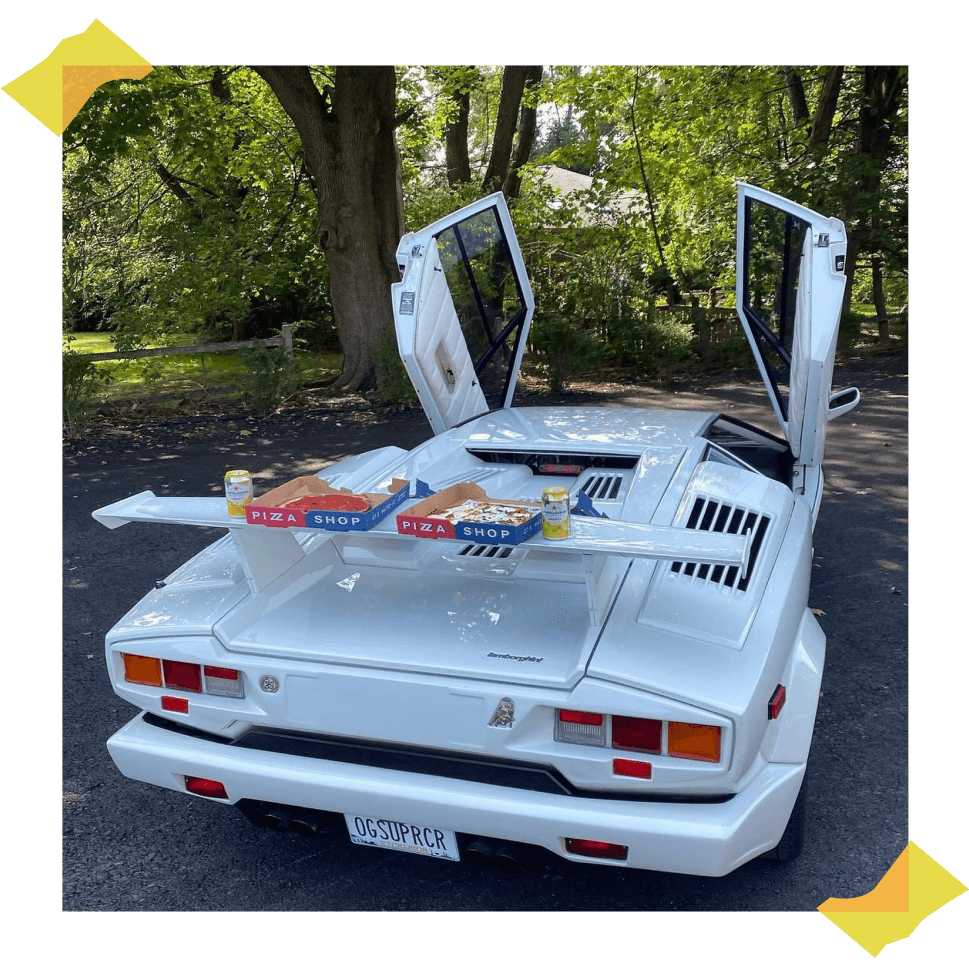
Lamborghini Countach (1974), a beautiful rear spoiler also functioning as launch table
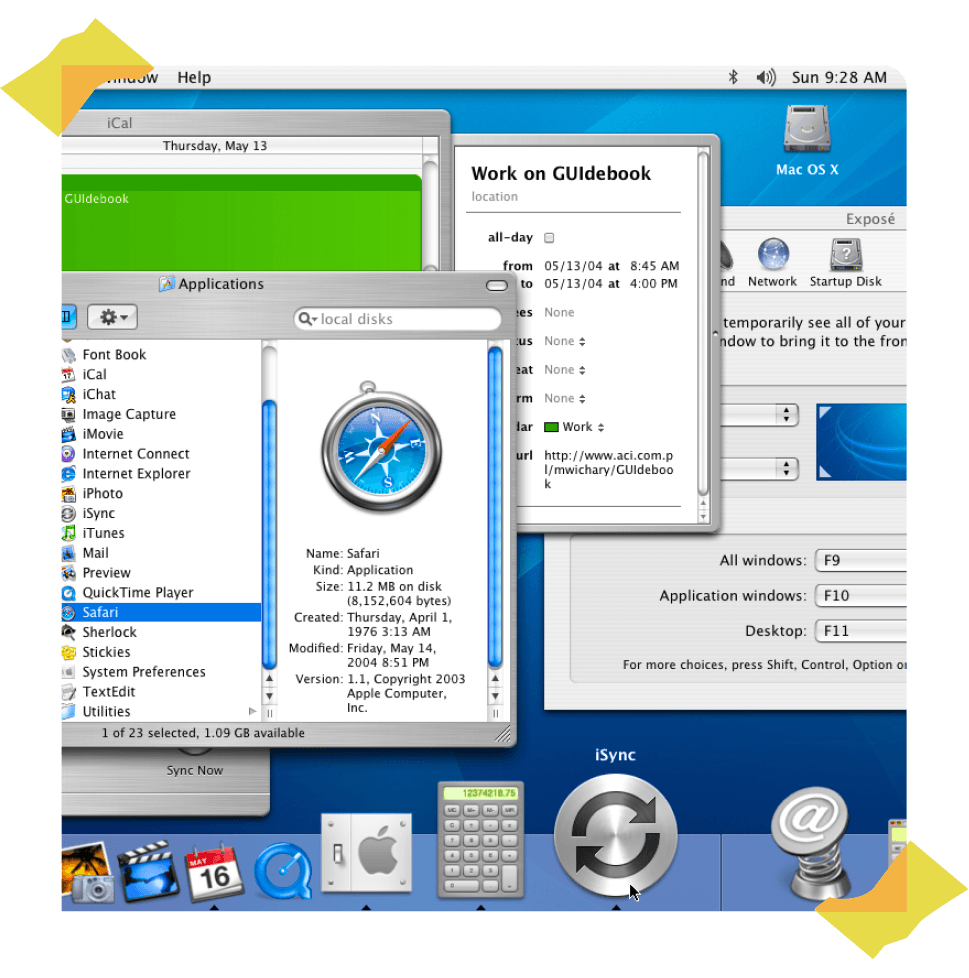
Aqua (2000), pinnacle of intuitive design, blending Apple's aesthetics with water-themed visual cues
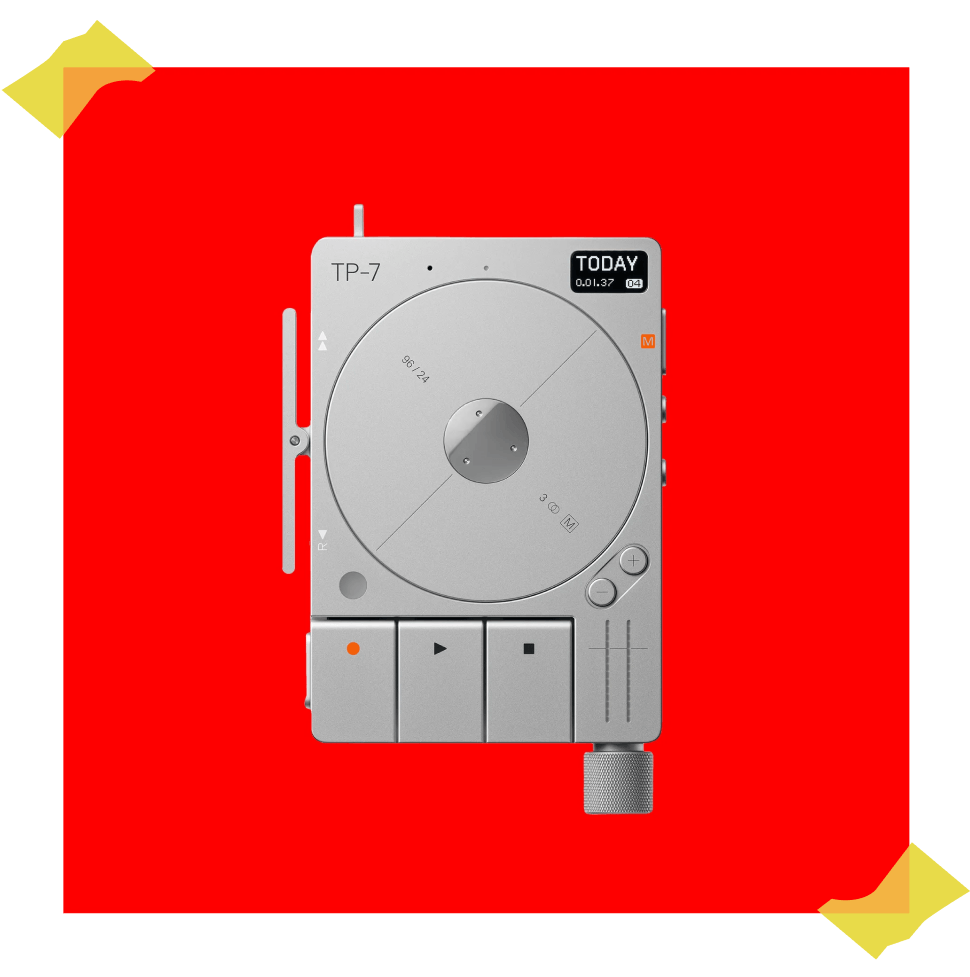
TP-7 (2023), the ultra-tactile field recorder designed and built by Teenage Engineering
What role does technology play here?
The best designers are technologists. Just as a furniture designer who knows wood crafts durable and adaptable pieces, or a jeweler aware of metals and gems emphasizes each material's uniqueness, software designers, who understand the machinery that process their work can anticipate challenges and come up with superior ideas.
The designer's goal isn't mastery of every technology but enough grasp to comprehend the work and ideas of their unrelated peers. Success lies where taste and a strong appetite for good design meet a solid technical understanding of the medium. It's this foundation that allows for confident navigation around the edges and the creation of work that stands out.
The designer's goal isn't mastery of every technology but enough grasp to comprehend the work and ideas of their unrelated peers. Success lies where taste and a strong appetite for good design meet a solid technical understanding of the medium. It's this foundation that allows for confident navigation around the edges and the creation of work that stands out.
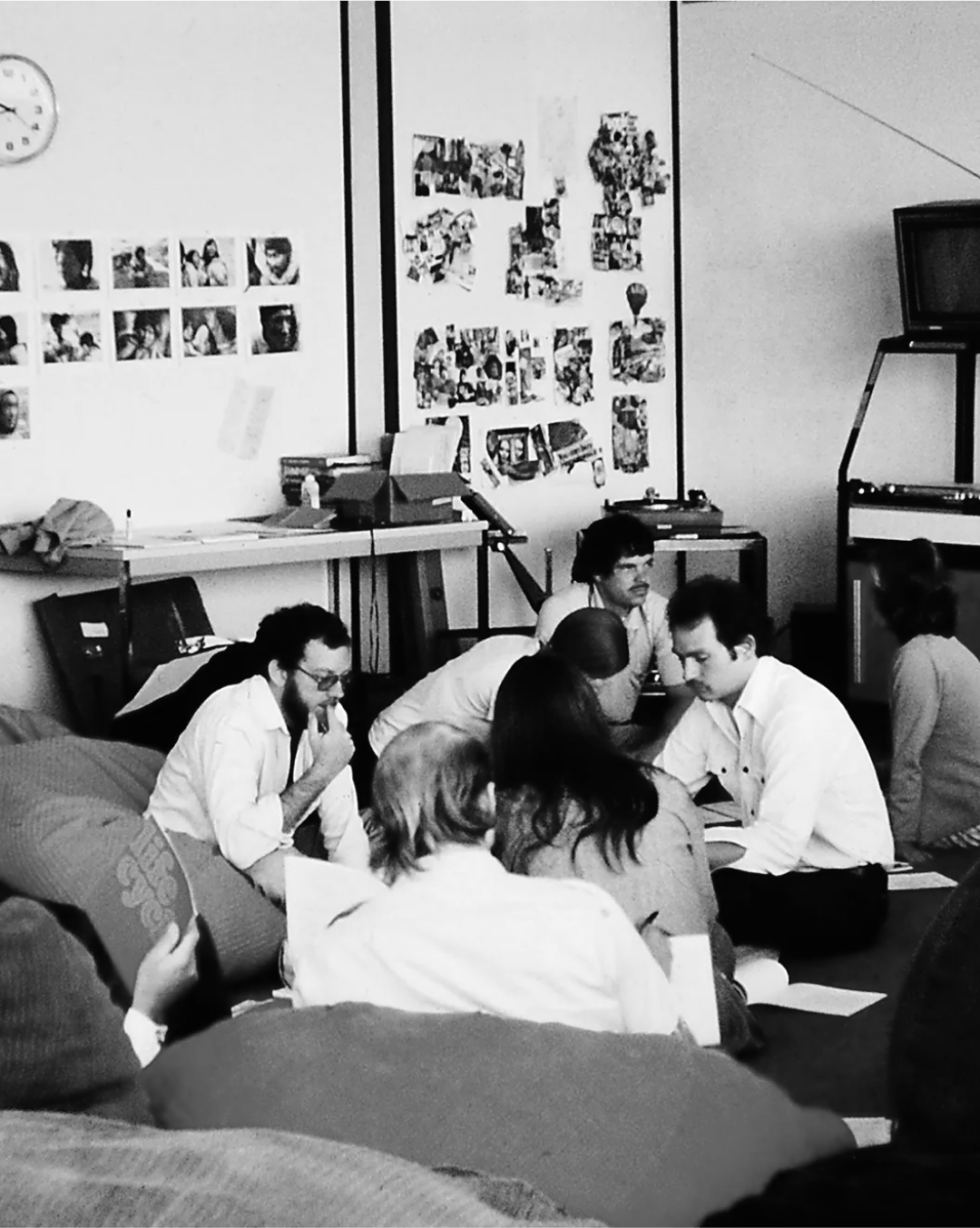
Computer scientists who get design: Xerox PARC's Learning Research Group (circa 1970s)
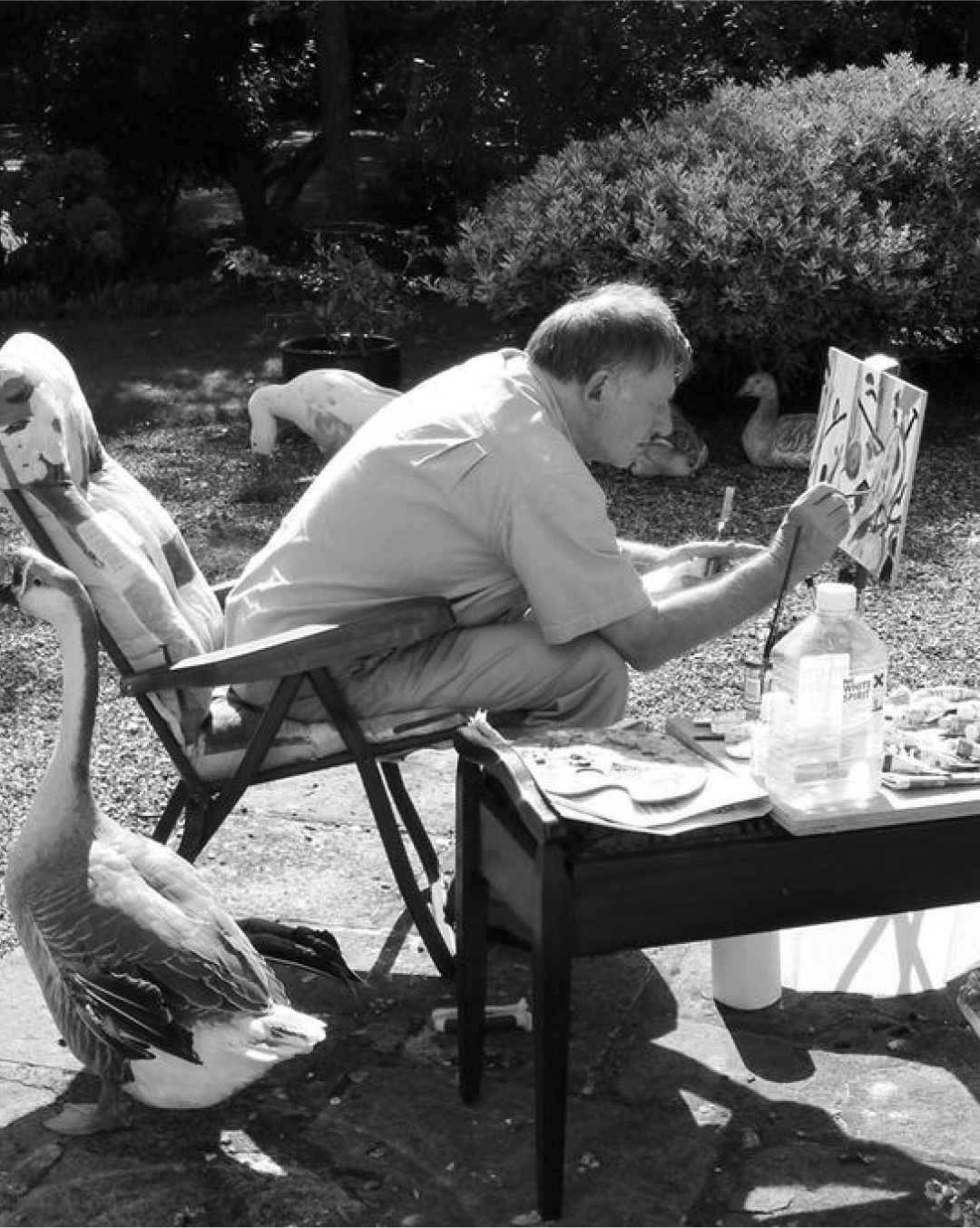
Architects who get complexity theory: Christopher Alexander (circa 1980s)
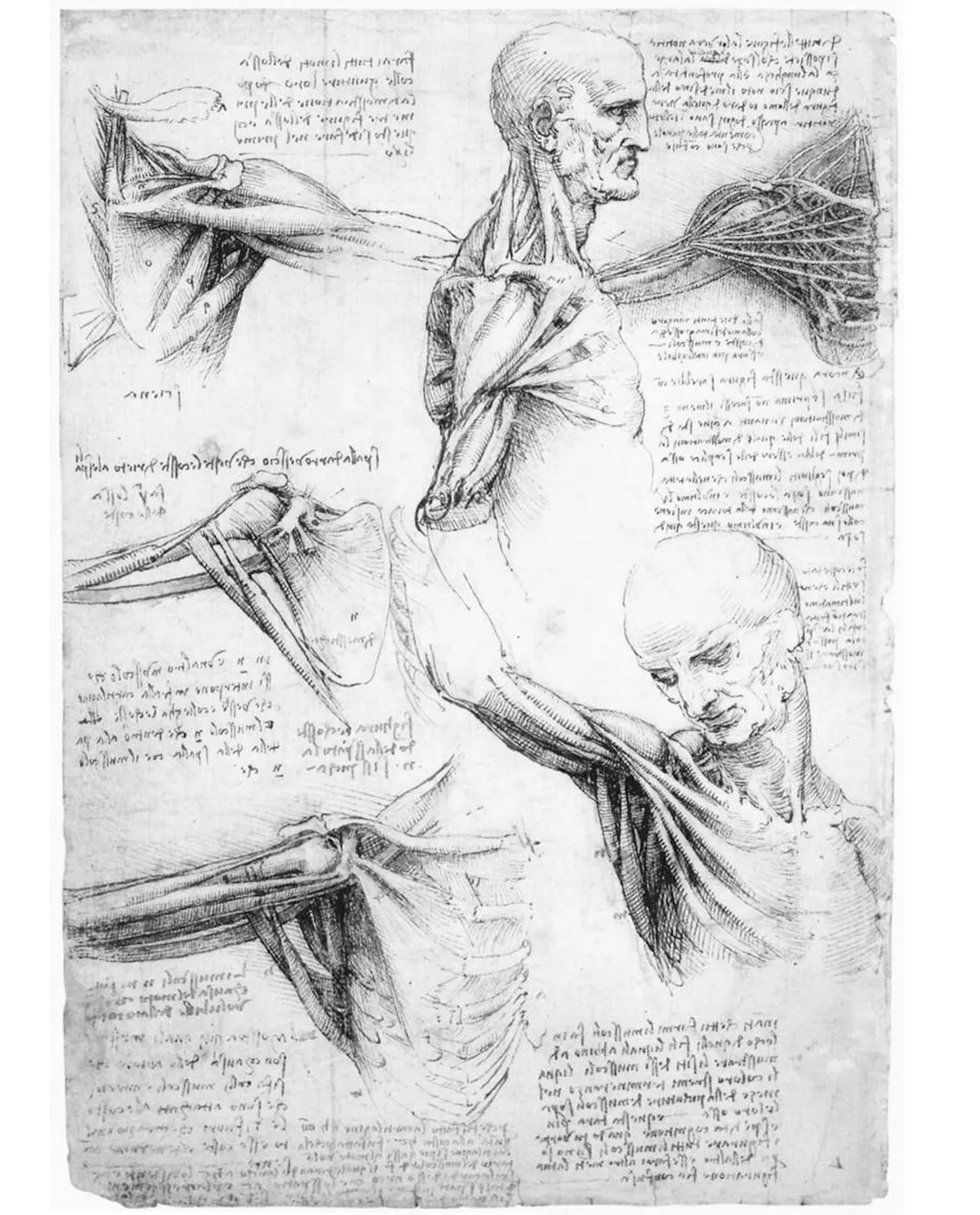
Painters who get human anatomy: Leonardo da Vinci (1485-1550)
What inspires you?
Carlo Scarpa, Dirk Braeckman, The Brancacci Chapel, Italia, Hammershoi Vilhelm, Villa Sunflower Marcelisse, Leon Spilliaert, Sigmar Polke, Hal Hartley, Martin Margiela, Rudolf Arnheim, Mies Van Der Rohe, Saul Leiter, Andreas Gursky, Adriano Olivetti, Bruce Nauman, Rogier van der Weyden, Japan, René Daniels, Jef Raskin, Armin Hofmann, Giovanni Bertone, Max Bill, Virgil Abloh, Andrea Mantegna, Domenico Gnoli, Miroslav Tichy, Richard Saul Wurman, New York, Piet Mondriaan, Christopher Alexander, Luc Tuymans, Michaël Borremans, Piero della Francesca, Giotto, Peter Zumthors Vals, Larry Tesler, Henry van de Velde, Alan Kay, Enzo Mari, Teenage Engineering, Agnes Martin, André Guignard, Andrea Palladio, Gaetano Pesce, Morandi, Josef Albers, Balthus, Katsura Imperial Villa, Karl Blossfeldt, Cedric Price, Hiroshi Sugimoto, Vermeer, Jacques Tati, Bill Atkinson, Bas Jan Ader, Ed Ruscha, Vico Magistretti, Bill Viola, Jesper Kouthoofd, Douglas Engelbart, Josef Müller-Brockmann, Giorgetto Giugiaro, Markus Raetz, Frank Zappa, Ellsworth Kelley, Caspar David Friedrich, Robert Bresson, Gerhard Richter, Fra Angelico, Gerrit Rietveld, Johan De Wilde, Van Eyck, Jean-Daniel Nicoud, Hercules Seghers